
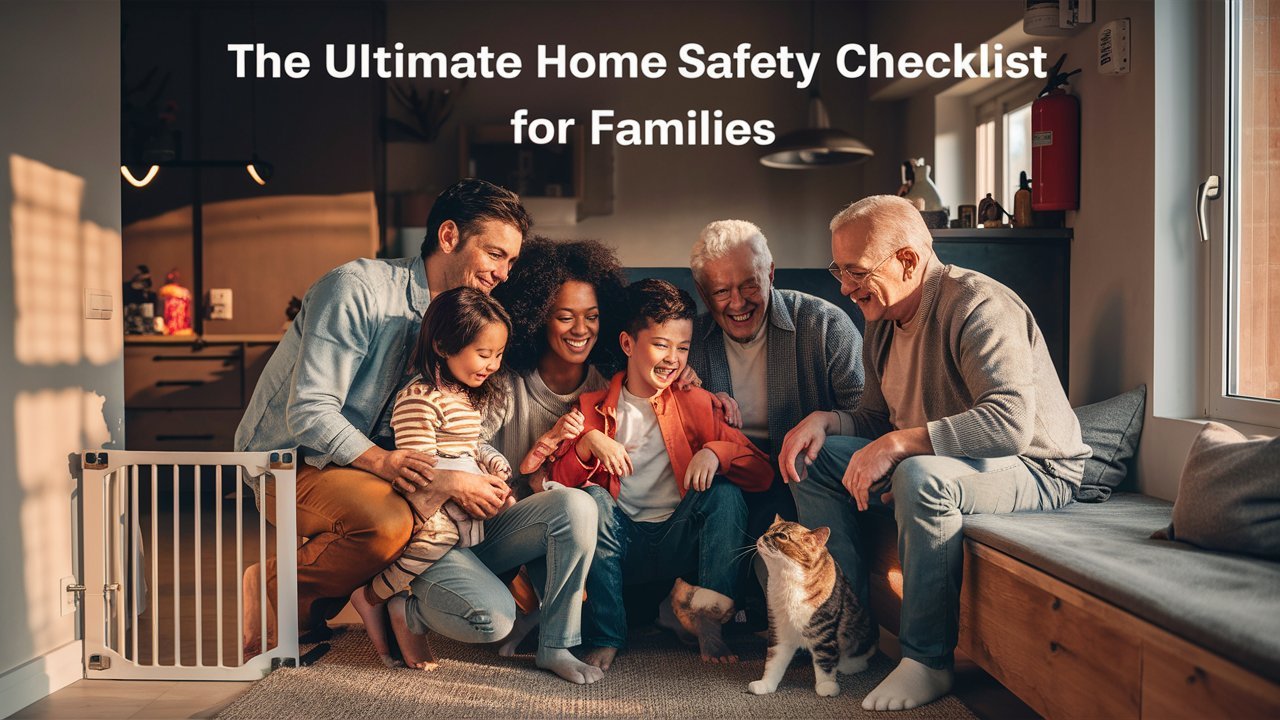
Keeping your home safe is one of the most important things you can do for your family It doesnt matter if you have kids pets seniors or just want to feel more secure this guide covers all the essential steps you need to take to make your home a safer place
From simple changes like adding baby gates to bigger steps like setting up a home security system this checklist walks you through it all We’ll talk about things like smoke detectors emergency plans childproofing and even pet safety So let’s dive in
A complete Home Safety Checklist is the first step to protecting your loved ones and creating a safe space for your entire family.
1 Fire Safety Be Ready Before It Starts
Fire safety should be at the top of your list because when fires happen they move fast
Make sure you have a smoke detector in every room and hallway Check them once a month and replace the batteries every year A good fire alarm system is also super helpful for waking everyone up if something goes wrong
Don’t forget a carbon monoxide detector especially near bedrooms If you have gas appliances a gas leak detector can also be a lifesaver
Keep a fire extinguisher in key spots like the kitchen garage and near fireplaces Everyone in the house should know how to use it
Practice your emergency plan with your family Pick a clear escape route and practice fire drills twice a year so everyone knows where to go
Be careful with cords and outlets Use surge protectors and check for signs of wear Follow electrical safety rules to avoid sparks or short circuits
In the winter keep heaters clear of anything flammable and follow heating safety guidelines to stay warm and safe

2 Child Safety Prevent the Preventable
If you have kids you know how fast they can get into things That’s why childproofing is a must
Start with baby gates at stairs and doorways Add cabinet locks and safety latches to keep little hands out of drawers and cabinets
Use furniture anchors to secure heavy shelves TVs and dressers so they don’t tip over
Make sure medications are locked up using proper medication storage Keep cleaning products out of reach too And always have the poison control number posted in the kitchen or on the fridge just in case
Install window locks to stop kids from opening windows by themselves For stair safety add non slip strips and strong handrails
Cover outlets with safe outlet plugs and use cord management tools to keep cords neat and out of reach
3 Security Measures Protecting the Perimeter
Your home should be your safe zone and security starts with locking it down properly
Check all your doors and windows and install window locks and door alarms if you don’t already have them These add an extra layer of protection
A home security system with cameras and sensors can alert you if anything unusual happens Some even come with a panic button in case of emergencies
Outside keep things well lit Motion activated lights are great for driveways and backyards Joining a neighborhood watch can also help everyone feel safer
4 Fall and Injury Prevention Slip Proofing the Everyday
Falls are one of the most common household accidents but they’re also easy to prevent
Start by clearing walkways and using slip resistant rugs in busy areas like the kitchen and bathroom
Make sure stairs have strong railings and are well lit Add night lights to hallways bathrooms and bedrooms to help guide people in the dark
5 Emergency Preparedness Ready for Anything
Every home needs a plan for when things go wrong
Put together a solid first aid kit with bandages gauze antiseptic and whatever else your family might need Check it often to make sure nothing is missing or expired
Write down a list of emergency contacts and keep it where everyone can see it Teach kids about 911 education so they know who to call and what to say
Create an emergency plan that includes an escape route and where to meet outside the home Practice it with your kids every few months
6 Kitchen Safety Cooking Without Crisis
The kitchen is full of potential hazards so a few smart habits can make it much safer
Unplug appliances when you’re not using them and don’t leave food cooking on the stove without supervision Use cord management tools to keep cords tidy and out of the way
Store knives in locked drawers or high shelves Add cabinet locks and safety latches if kids are around
Keep a fire extinguisher close by and know how to use it You never know when it might come in handy
7 Bathroom Safety Slippery No More
Bathrooms can be dangerous places especially for little kids and older adults
Use non slip rugs and install grab bars near the toilet and in the shower to prevent falls
Set your water heater temperature below 120 degrees to avoid burns
Lock up razors cleaning products and other items that kids shouldn’t touch Use safety latches to keep drawers and cabinets closed
8 Seasonal Safety Prepared Year Round
Safety needs change with the seasons so make sure you adjust your home for each one
In winter check your heaters and chimneys to make sure they’re clean and safe Make sure your carbon monoxide detector works properly
In summer focus on pool safety Keep your pool fenced and locked and always watch kids around water Make sure pets have shade and water to stay cool for proper pet safety
Prepare for heavy rain or storms with flood alarms and a solid emergency plan Stock up on supplies and have a way to communicate if the power goes out
Keep your garage organized for garage safety Store tools and chemicals up high or in locked cabinets
If you own a firearm use gun safety locks and store the firearm separately from the ammunition in a locked place
Conclusion Make Safety a Family Habit
Making your home safer isn’t just about buying the right products It’s about building habits that protect your loved ones every day
Practice fire drills talk to your kids about safety and update your first aid kit regularly Teach them how to use the panic button if your home has one and make sure they understand how to call for help
Little changes go a long way Start with one thing from this checklist today and work your way through the rest over time

Click Hear for more tools :
What are the most important safety items every home should have?
Every home should have smoke detectors, a carbon monoxide detector, a fire extinguisher, a first aid kit, and a clear emergency plan. For families with children or pets, add baby gates, cabinet locks, and window locks to prevent accidents.
2. How often should I check my home safety devices?
You should test your smoke and carbon monoxide detectors monthly and replace batteries at least once a year. Inspect your fire extinguisher, first aid kit, and other emergency supplies every few months to ensure they’re working and up to date.
What’s the best way to teach kids about home safety?
Start with age-appropriate safety rules, such as not touching outlets or opening doors to strangers. Practice fire drills, show them how to dial 911, and involve them in family safety routines like checking emergency contacts or walking through your escape route together.