
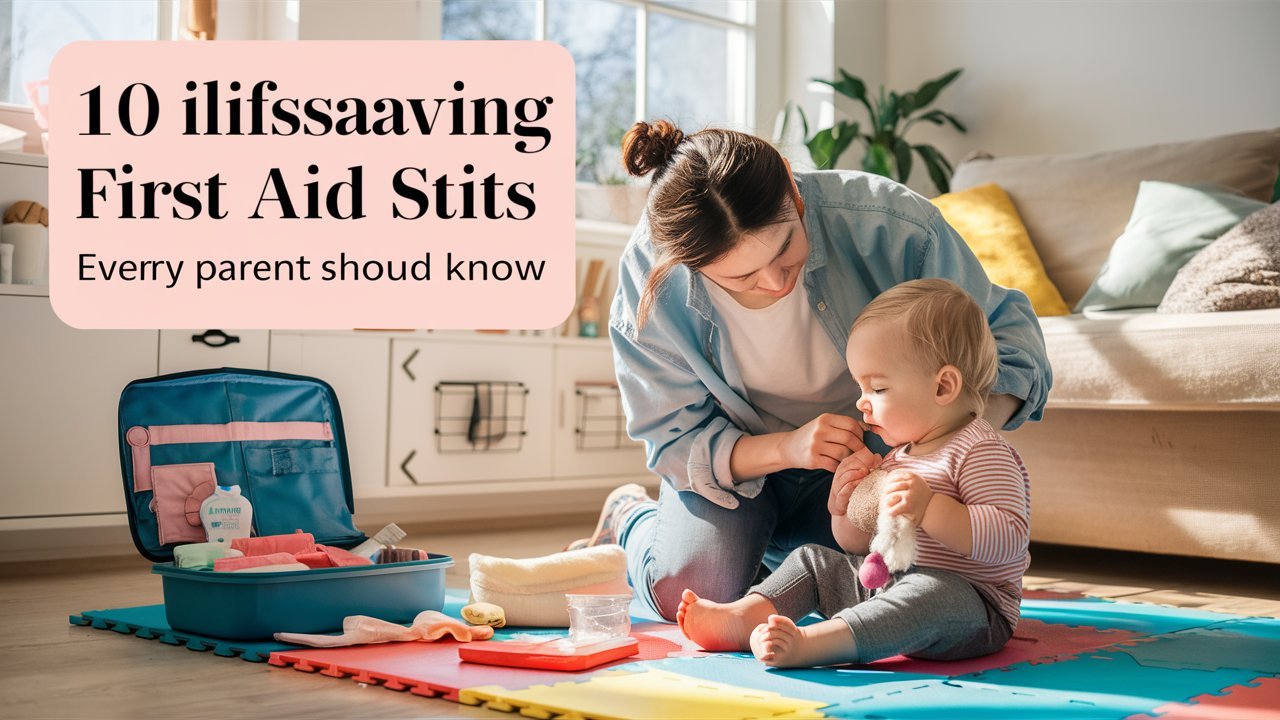
Every second matters when a child is injured Parents often feel overwhelmed in those moments but staying calm and knowing what to do can truly make a difference From a scraped knee to a serious burn having the confidence to act quickly is what every parent needs
This guide shares essential first aid steps for parents with young children You will find practical advice simple methods and trusted techniques to help you respond to everyday emergencies and unexpected situations with care and confidence
Mastering essential first aid steps for parents can turn panic into confident action when your child needs you most
1 Stay Calm and Assess the Situation
Children pick up on your energy and when you stay calm they feel more secure Being composed helps you think clearly and make better decisions
Start by taking a deep breath and checking the basics Is your child breathing Is there any visible bleeding Is the area around you safe
These first moments matter most and a calm presence can prevent the situation from escalating quickly

2 Treat Minor Cuts and Scrapes
Scrapes and small cuts are common during playtime and learning how to handle them calmly teaches your child not to panic
Begin by gently cleaning your hands and the wound Use clean water and mild soap to wash away dirt Then apply an antiseptic suitable for young skin and cover with a soft bandage
Avoid strong chemicals like hydrogen peroxide which can slow down healing A well stocked home safety kit makes this process easier and less stressful
3 First Aid for Minor Burns
Burns happen quickly especially in kitchens and bathrooms Knowing how to treat them helps reduce damage and pain
Cool the burn right away by placing it under lukewarm water for at least ten minutes Do not use ice as it can harm the skin more Once the area is cool cover it loosely with a clean cloth or sterile dressing
Never use butter toothpaste or powders on burns These myths do more harm than good If the burn is large or involves the face or joints call your doctor or visit the hospital immediately
4 Choking First Aid for Infants and Toddlers
Choking is a scary experience but knowing what to do gives you the ability to act fast and save a life
For babies under one year lay the baby face down on your forearm and give five firm back blows between the shoulder blades Then turn the baby over and give five chest thrusts using two fingers
For older toddlers use five gentle abdominal thrusts similar to the Heimlich maneuver If the child loses consciousness call emergency services immediately and begin CPR if you are trained
5 Head Injuries What to Watch For
Young children fall often and most bumps are harmless Still it is important to know the signs that suggest something more serious
Apply a cold pack and comfort your child Keep them awake and watch for signs like vomiting confusion sleepiness or changes in behavior If anything seems unusual call your doctor right away
Being alert after a head injury is key to catching early signs of concussion or trauma
6 If Your Child Swallows Something Dangerous
Toddlers are naturally curious and sometimes put harmful things in their mouths It is important to act quickly if this happens
Call your local poison control center without delay Do not try to make your child vomit unless advised by a medical expert Keep any packaging or bottles for reference when talking to the nurse or doctor
Keep household cleaners medicines and sharp objects locked away in a childproof cabinet or container
7 Build a Family First Aid Kit
Having the right tools at home means you are ready when accidents happen A simple first aid kit gives you peace of mind and saves time during emergencies
Include items like bandages antiseptic cream digital thermometer tweezers and gloves Add any medications your child may need and an emergency contact list Check your kit every few months and replace expired items
Keep the kit in a spot that all adults in the house can access quickly
8 When to Call Emergency Services
It is not always easy to decide when to call for help but some signs should never be ignored
Call your local emergency number if your child is unconscious having difficulty breathing bleeding heavily choking or having a seizure Trust your instincts if something feels wrong it probably is
Never feel bad about calling for help when it comes to your childs safety
Final Thoughts
Raising a child means being ready for the unexpected Learning essential first aid steps helps you feel more in control and better prepared
Start by building your first aid kit saving emergency contacts and joining a parenting class in your area With the right knowledge and tools you can handle most situations with calm and care
FOR MORE

Click Hear for more tools :
What is the most common first aid mistake parents make?
Using old remedies like applying butter on burns or ignoring signs of serious head injuries
Are antiseptic wipes safe for toddlers?
Yes but always choose ones made for sensitive skin and check for any reactions
How can I learn CPR quickly?
Look for a certified class online or at a local community center focused on child and infant CPR